






















Fire TV Adaptive Display is now rolling out on Amazon’s newest Fire TV Stick HD. However, the accessibility setting moves from a future promise to an active software update. In Amazon’s official Fire TV Stick HD announcement, the company says the feature enlarges text and menus while keeping artwork proportionally scaled. Engadget reported on July 20 that Amazon confirmed the rollout had begun.
TV interfaces often pack episode details, buttons, and thumbnail rows into a viewing-distance screen. Adaptive Display is not a picture-quality mode. Instead, it changes the size of the Fire TV interface. Additionally, it aims to preserve the interface’s visual hierarchy.
What Fire TV Adaptive Display changes
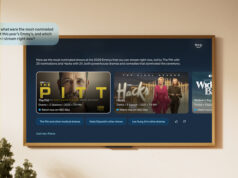
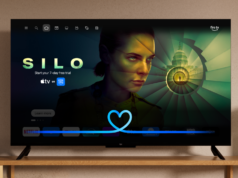
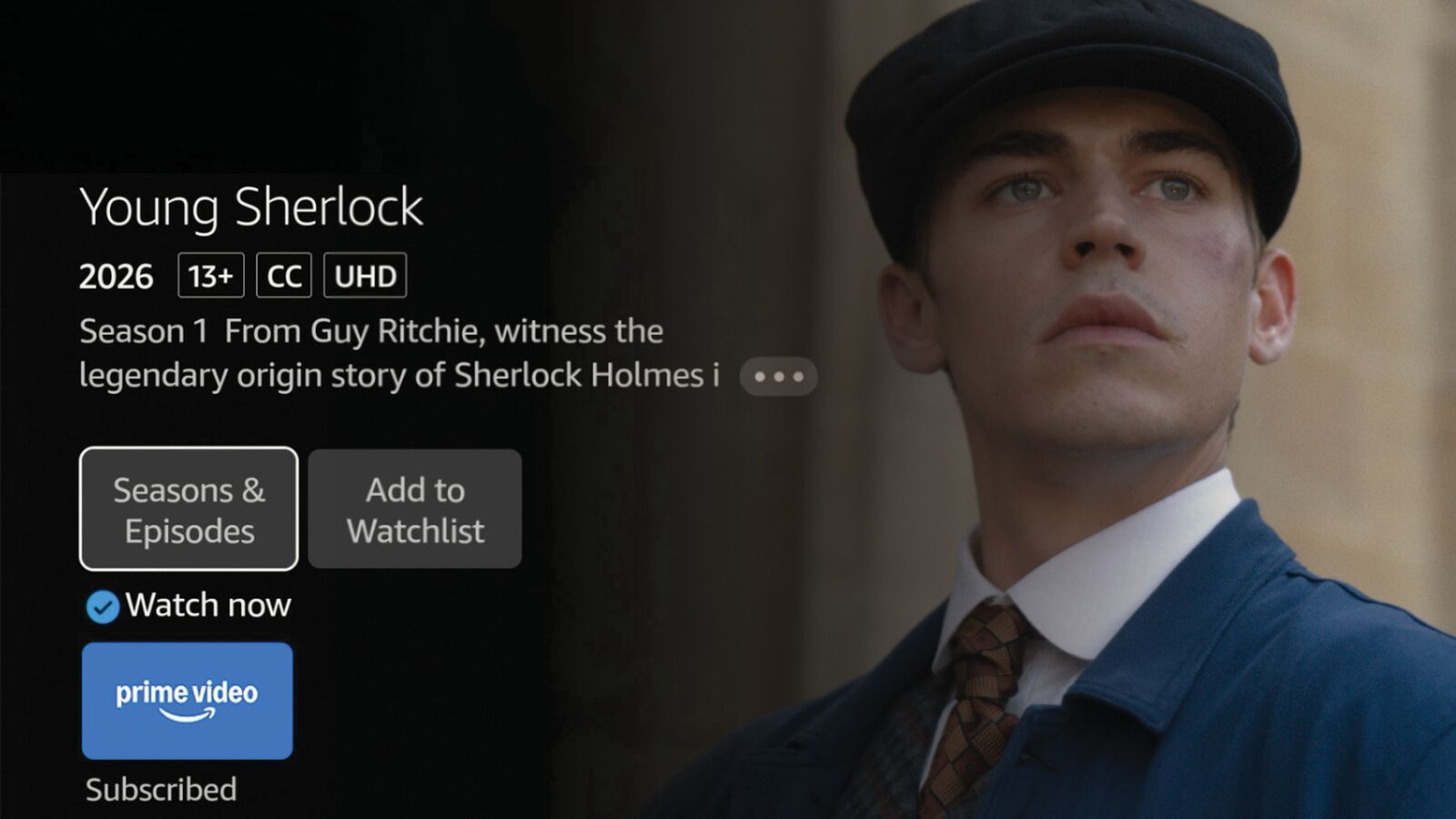
Amazon says the setting makes text, menus, and content easier to see and navigate. Smaller text grows more aggressively. Additionally, key art scales, so the screen does not become a wall of oversized labels. Therefore, multiple size choices let each viewer choose a workable balance.
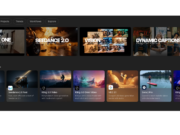
The larger-size screen used as the featured image makes the tradeoff clear. Titles, buttons, and metadata receive more room. Meanwhile, the show artwork remains part of the composition. The other two Amazon carousel screens show the same scene at smaller sizes, so repeating them in the article would not add useful context.
The rollout is limited to the newest Stick HD
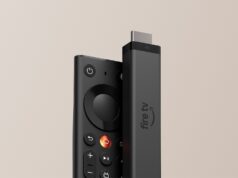
For now, the rollout applies to Amazon’s newest Fire TV Stick HD. It is not a blanket update for every Fire TV device. Additionally, Amazon introduced the stick in April with Wi-Fi 6, Bluetooth 5.3, and Direct Power support from a TV USB port. It also includes Alexa+ in supported markets. The company originally described Adaptive Display as coming in the following months.
That narrower scope is worth keeping in mind. Amazon has not announced broader eligibility in its primary launch post. Therefore, older Fire TV hardware should not be assumed to receive the setting.
Why this small interface change is useful
Accessibility controls work best when they adjust an entire interface. They should not force someone to decode tiny text in a layout built for a different viewing distance. The benefit is practical. Navigation can become easier to read without losing the artwork that identifies what someone wants to watch.
Amazon is also changing the software underneath its streaming hardware. Its Vega OS transition on newer Fire TV devices shows how much the platform is in motion. Meanwhile, Amazon’s wider Alexa plans are evolving. That includes the reported work on a more agentic Alexa.
For the new Stick HD, Adaptive Display is a modest but concrete improvement. As a result, it makes the interface larger without turning the whole television experience into a crude zoom mode.